
Hot Water Powered by Sunlight Year-Round
Solar Water Heaters in Buda & San Marcos, TX, for homeowners reducing utility costs with renewable energy systems
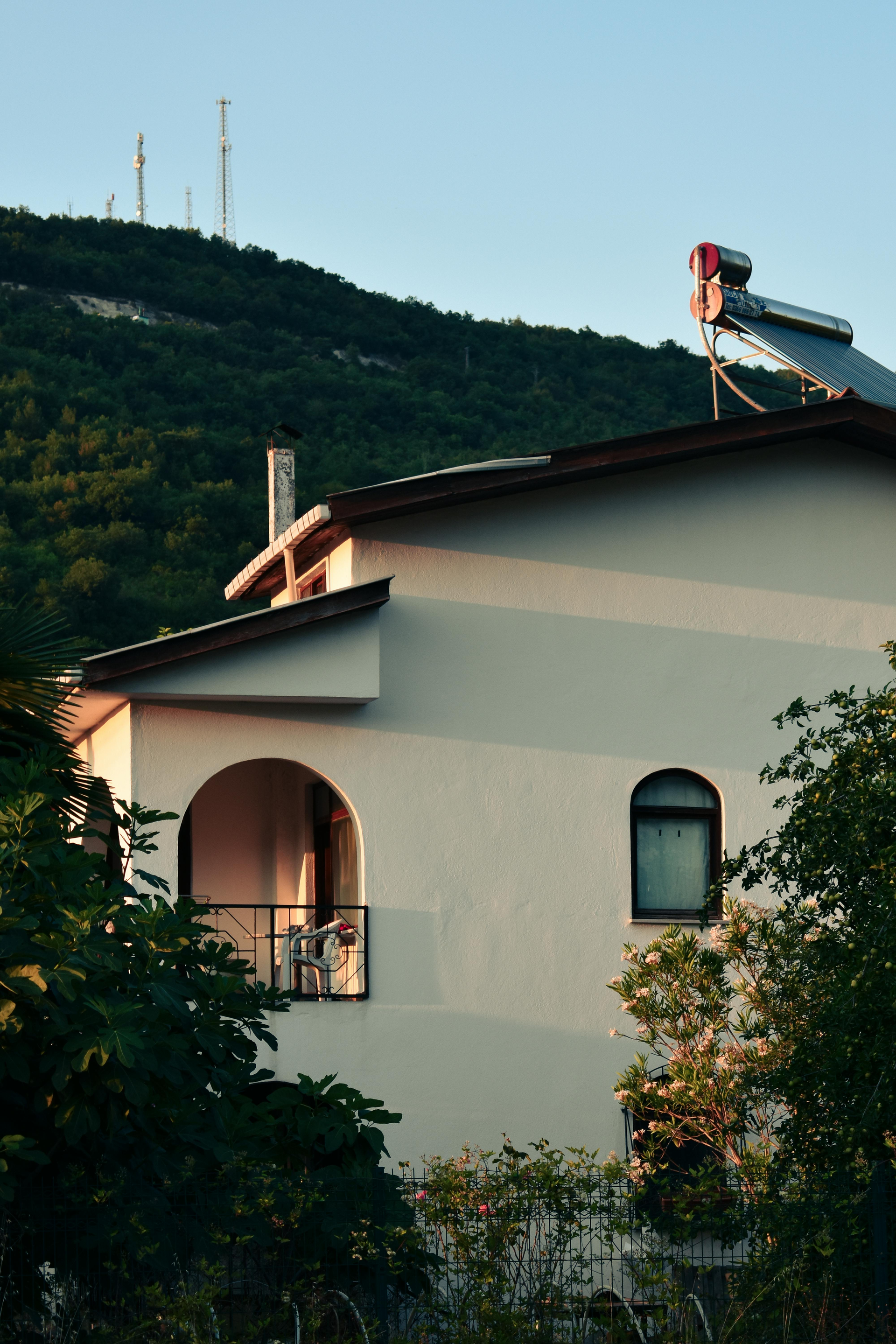
Raymond Bros Plumbing installs solar water heating systems in Buda and San Marcos, TX, that use rooftop collectors to convert sunlight into thermal energy for domestic hot water. These systems reduce your reliance on grid electricity or natural gas while providing consistent hot water even during Central Texas heat waves when conventional systems work hardest. Each installation includes a backup conventional heater that automatically activates during extended cloudy periods or when household demand exceeds solar capacity.
The system works by circulating water or heat-transfer fluid through roof-mounted panels where sunlight raises the temperature before storing it in an insulated tank. In Buda's climate, solar collectors can generate enough thermal energy to cover most household hot water needs from March through October, with the backup system supplementing during winter months or periods of high usage. The initial investment typically pays for itself through lower monthly energy bills within seven to ten years depending on household consumption patterns.
Schedule a property evaluation to determine roof orientation and available solar exposure for your home.
What Proper Solar Installation Requires
Your roof pitch, orientation, and shading patterns determine collector placement and system sizing. South-facing roof sections with minimal tree cover produce the most consistent thermal gain, while installers calculate tank capacity based on household size and daily hot water usage to match production with demand.
After installation completes, you'll notice water heating during daylight hours without running your conventional heater, which means your electric or gas consumption drops substantially during peak solar production months. Raymond Bros Plumbing positions collectors to avoid shade patterns from nearby structures and connects the backup system so it only activates when solar-heated water drops below your set temperature threshold. The system operates automatically without requiring you to switch between modes or monitor performance.
The backup heater remains connected to maintain hot water availability regardless of weather conditions, and most systems include a controller that displays solar contribution versus backup usage so you can track energy offset over time. Collectors require periodic inspection to remove debris and verify fluid levels in closed-loop systems, but they contain no moving parts that wear out like conventional heating elements.
Common Questions About This Service
Homeowners considering solar water heating often ask about performance during Central Texas weather variations and how the technology integrates with existing plumbing systems.
What happens during several cloudy days in a row?
The backup conventional heater automatically activates when solar-heated water temperature falls below your thermostat setting, so you maintain consistent hot water without any manual intervention or service interruption.
How does roof orientation affect system performance in Buda?
South-facing roof sections produce optimal year-round thermal gain, while east or west orientations still work but may require larger collector arrays to achieve the same energy offset during winter months.
Why do solar systems include a conventional backup heater?
Solar production varies with weather and season, so the backup system covers periods when sunlight alone cannot meet your household's hot water demand, particularly during consecutive overcast days or when multiple showers run simultaneously.
What maintenance do collectors require?
Panels need periodic inspection to remove leaves or debris, and closed-loop systems require fluid level checks every few years, but collectors themselves have no mechanical components that require replacement like heating elements in conventional tanks.
How long before energy savings offset the installation cost?
Most Buda households see payback within seven to ten years depending on current energy rates and hot water consumption, after which the system continues reducing monthly utility costs for the remaining lifespan of the collectors.
Raymond Bros Plumbing evaluates your roof structure and household hot water needs to design a solar system sized for your specific consumption patterns. Request a site assessment to review collector placement options and projected energy savings for your property.